Naming a brand looks like the easy part. It’s one word, maybe two. You could jot it on a napkin before the coffee arrives. And yet, in almost every branding project, the name is the thing that keeps founders up at night, splits partnerships into factions and gets changed the week before launch.
There is a good reason for that. A name is the one piece of a brand that rarely gets redesigned. Logos get refreshed, websites get rebuilt and campaigns come and go every season. The name usually stays for the life of the business. It’s the first thing people hear, the last thing they forget and the only part of your identity they’ll say out loud to a friend.
So no pressure.
The name isn’t supposed to explain anything
The most common misunderstanding about naming is that a good name has to describe what the business does. Clients arrive with lists like “PrimeTech Solutions” or “Global Quality Services” and are surprised when we wince.
Look at the names people actually remember. Apple sells computers and phones. Steve Jobs reportedly picked the name while on a fruit diet, because it sounded “fun, spirited and not intimidating” and would sit ahead of Atari in the phone book. Nobody in 1976 thought a fruit was a sensible name for a technology company. That was rather the point.
Sony is a blend of the Latin sonus (sound) and “sonny”, the slang the founders liked for bright young men. It replaced Tokyo Tsushin Kogyo, which foreigners struggled to pronounce. Their own bank suggested “Sony Electronic Industries” instead. Akio Morita said no, because a name tied to one field would limit where the company could go. He was right. Sony went on to make films, music and games.
IKEA is an acronym of its founder’s name, Ingvar Kamprad, plus the farm and village he grew up in, Elmtaryd and Agunnaryd. Hardly anyone outside Sweden knows this, and nobody needs to. Kodak means nothing at all. George Eastman just liked the letter K, which he called “a strong, incisive sort of letter”, and wanted a word that couldn’t be mispronounced or confused with anything else.
Then there’s Häagen-Dazs, which is perhaps the most successful piece of nonsense in retail. It was invented in the Bronx in 1961 by Reuben and Rose Mattus to sound vaguely Scandinavian and expensive. It means nothing in Danish or any other language, and the umlaut doesn’t exist in Danish either. It worked anyway.
None of these names describe a product. What they do is stand apart. They are short, ownable and slightly odd, and they become containers that the brand fills with meaning over time. Apple didn’t mean “beautiful, simple technology” on day one. It means that now because of everything the company did after it was named.
A name doesn’t have to say what you do. It has to be yours, and it has to be able to carry everything you’ll eventually do.
Why the robot keeps suggesting “Nexora”
Ask an AI tool to name your business and you will get a list in seconds. You will also notice it looks a lot like everyone else’s list. Plenty of “Lumi”, “Nova”, “Zentrix” and “Elevate”, with a matching domain suggestion attached.
That isn’t a coincidence. Language models work by predicting the most likely next thing, and the most likely name is, almost by definition, the least distinctive one. Ask for a name for a coffee shop and you’ll get something like “Bean There” or “Brew Haven”, alongside the kind of alliteration that makes copywriters quietly leave the room. The suggestions are literal, on the nose and, more often than not, already trading three streets away.
The bigger gap is what a name has to hold. A good name sits on a stack of quiet layers:
- How it sounds when a receptionist says it on the phone
- What it suggests without saying it outright
- Whether it feels at home in the category or deliberately out of place
- What it might mean in a dialect two countries over
- Whether the founders can say it with a straight face
Weighing all of that at once is a human skill. It relies on taste, cultural instinct and a sense of what a word feels like, not just what it means. AI is useful in the mix. It can widen the pool and run quick checks. But it can’t intend meaning, and it can’t tell when a name is clever versus when it’s merely unusual. That judgement still sits with people.
The good names are already taken (mostly)
Here’s a sobering number. At the end of June 2026 there were more than 401 million registered domain names worldwide, and over 166 million of those were .com. Most of the short, pronounceable, pleasant-sounding words in English were snapped up years ago, many by people who’ll happily sell them back to you for the price of a small car.
This is why naming takes longer than people expect. The creative part is only the start. Every promising name then has to survive a gauntlet:
- Is someone in your industry already using it, or something close to it?
- Can it be trademarked in the markets you care about?
- Is a usable domain available, or can you live with a variation?
- Are the social handles free?
- Does it work across languages, accents and scripts?
Plenty of names that look perfect on a whiteboard die at the second question. That’s normal. Even Amazon started life as Cadabra, until a lawyer misheard it over the phone as “cadaver”. Bezos also registered relentless.com, which still redirects to Amazon today, so the backup plan never fully went away.
Some famous brands live happily without the exact domain. Tesla operated from teslamotors.com for years. Peloton is at onepeloton.com because peloton.com belongs to a drilling software company. Compromise is fine. Discovering the problem after you’ve printed the signage is less fine.
The practical lesson is to fall in love slowly. Keep a shortlist rather than a favourite, and give the process the time it needs. A name chosen in an afternoon tends to cost a lot more than an afternoon to replace.
Your name, in someone else’s mouth
A name that works at home can go spectacularly wrong once it crosses a border. Brands that plan to grow internationally need to think about how their name will be heard, read and translated, not just how it looks in the founder’s pitch deck.
The history books are full of examples. Mitsubishi had to rename its Pajero SUV as the Montero in Spanish-speaking markets, because “pajero” is Spanish slang that’s best left untranslated in a family-friendly blog. Honda planned to call its small hatchback the Fitta, before discovering what that word means in Swedish and Norwegian. It became the Jazz. Clairol launched a curling iron called the Mist Stick in Germany, where “mist” is slang for manure. Sales were, unsurprisingly, flat.
To be fair, some famous stories are myths. The Chevrolet Nova did not flop in Latin America because “no va” means “doesn’t go”. It sold perfectly well. But the fact that the myth survives tells you how real the fear is.
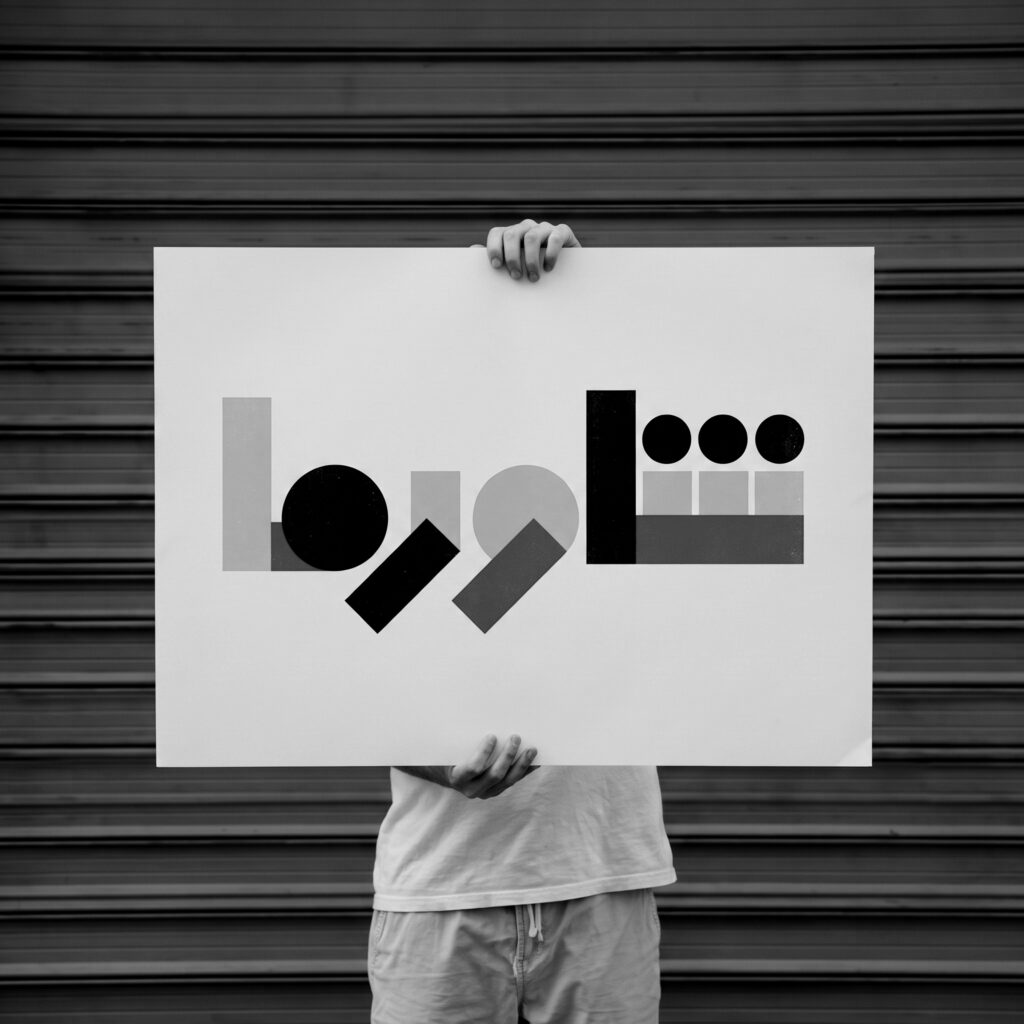
Localisation also isn’t only about avoiding embarrassment. It’s about how a name lives in another language and script. Arabic has no letter P, which is why so many people order a “Bebsi”. A name built on sounds that don’t exist in your next market will be reshaped by that market, whether you like it or not. A wordmark that looks elegant in Latin letters may need a carefully crafted Arabic counterpart that carries the same character rather than a literal transliteration. Coca-Cola understood this in China, choosing a name that sounds close to the original and means roughly “tasty and joyful”.
The smartest brands think about this early. They check meanings across their likely future markets, test pronunciation with native speakers and design the name to travel. It’s much cheaper than renaming a car.
Worth the wait
Naming is one of the most human parts of building a brand. It mixes strategy and instinct, linguistics and gut feel, legal checks and the simple question of whether a word makes you smile. It’s where the personality of a business is first written down.
That’s why it deserves more than an afternoon, an AI shortlist or a domain search. The best names often look obvious in hindsight, but they rarely arrive that way. They are found, tested, argued over and finally chosen by people who understand what the brand is trying to become.
After all, nobody asked what Apple meant. They just remembered it.